.avif)
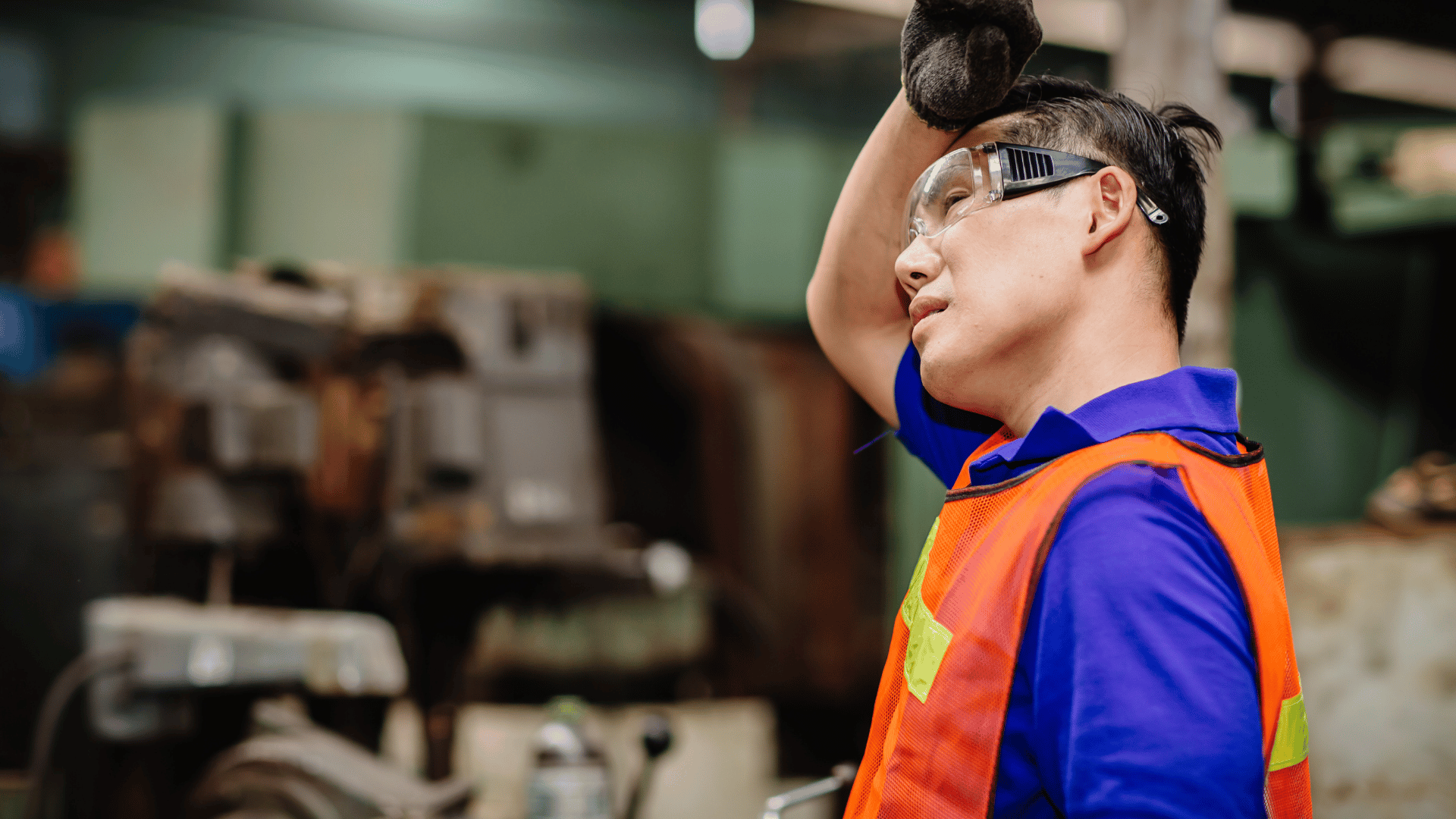
The Western U.S. is in the middle of a serious heat wave right now, with record temperatures hitting Phoenix and wildfire evacuations underway in parts of the Northwest, and this July is on track to be one of the hottest months on record in the U.S. If you're picking up warehouse, delivery, or other flexible work this summer, it's worth knowing what to expect and what protections you actually have before you take a job in the heat.
A lot of people assume warehouse work means working indoors out of the weather, but that's not always true. Many warehouses, especially older buildings and loading docks, aren't fully air conditioned, and heat can build up fast around trucks, docks, and equipment even indoors. If working somewhere cooler matters to you, it's worth asking about a facility's conditions or choosing opportunities that specify climate-controlled space before you commit.
There's no finalized federal heat safety rule yet. OSHA proposed one in 2024 covering both outdoor and indoor work above certain heat and humidity levels, but as of mid-2026 it's still under review with no set finalization date. In the meantime, OSHA enforces heat protections through its National Emphasis Program on heat-related hazards, updated in April 2026, which directs inspectors to prioritize worksites during hot weather. Some states, including California, have their own heat rules that go further than federal guidance. The companies posting jobs are responsible for following whatever rules apply to their site, including providing water, shade or a cool space, and rest breaks when conditions call for it.
Heat exhaustion and heat stroke are real risks in warehouse and outdoor work during a stretch like this. According to OSHA, warning signs of heat illness include heavy sweating, dizziness, headache, nausea, and confusion, and heat stroke is a medical emergency if body temperature rises very high or the person stops sweating. If you or a coworker start feeling any of these symptoms, stop working, get to a cooler area, drink water, and get help right away.
Drink water regularly throughout the day rather than waiting until you're thirsty, take breaks in shade or air conditioning when they're offered, and pace yourself if you're new to a role or the heat is new to your body. Light, breathable clothing and sunscreen help too if you're working outdoors or near open loading docks.
One advantage of picking up flexible work through a marketplace like Spotwork is that you're not stuck with one employer or one facility. You can choose opportunities that match what you're comfortable with, whether that's an indoor, climate-controlled warehouse or an early-morning job before the day heats up. Spotwork connects you with companies across warehousing, logistics, distribution, and manufacturing, and if something about a job or a facility doesn't feel right, you can reach real 24/7 platform support.
Ready to see what's available near you? Sign up at spotwork.co/for-workers to get started as a Spotter, or browse open opportunities first at spotwork.co/job-board.
It depends on the temperature and how the facility manages heat. OSHA doesn't yet have a finalized federal heat standard, but employers are still expected to follow general safe-work guidance and any applicable state heat rules, which can include water, rest breaks, and access to a cool space during hot conditions.
Heat exhaustion signs include heavy sweating, dizziness, headache, and nausea. Heat stroke is more serious and can include confusion and a stop in sweating, and it requires immediate medical attention. If you notice these signs in yourself or a coworker, stop working and get to a cooler area right away.
There's no single finalized federal rule requiring this yet, since OSHA's proposed heat standard is still under review, but OSHA actively enforces heat protections through its National Emphasis Program, and several states have their own heat rules that do require water, shade, and rest breaks.
There's no single universal cutoff, but risk increases significantly as heat and humidity climb, especially with direct sun and physical activity. OSHA's proposed standard used a combined heat and humidity threshold as a starting point for when added precautions should kick in.
Yes. On a marketplace platform like Spotwork, you can review what's available and choose opportunities that match your comfort level, including facilities described as climate controlled, instead of being locked into one fixed location.