.avif)
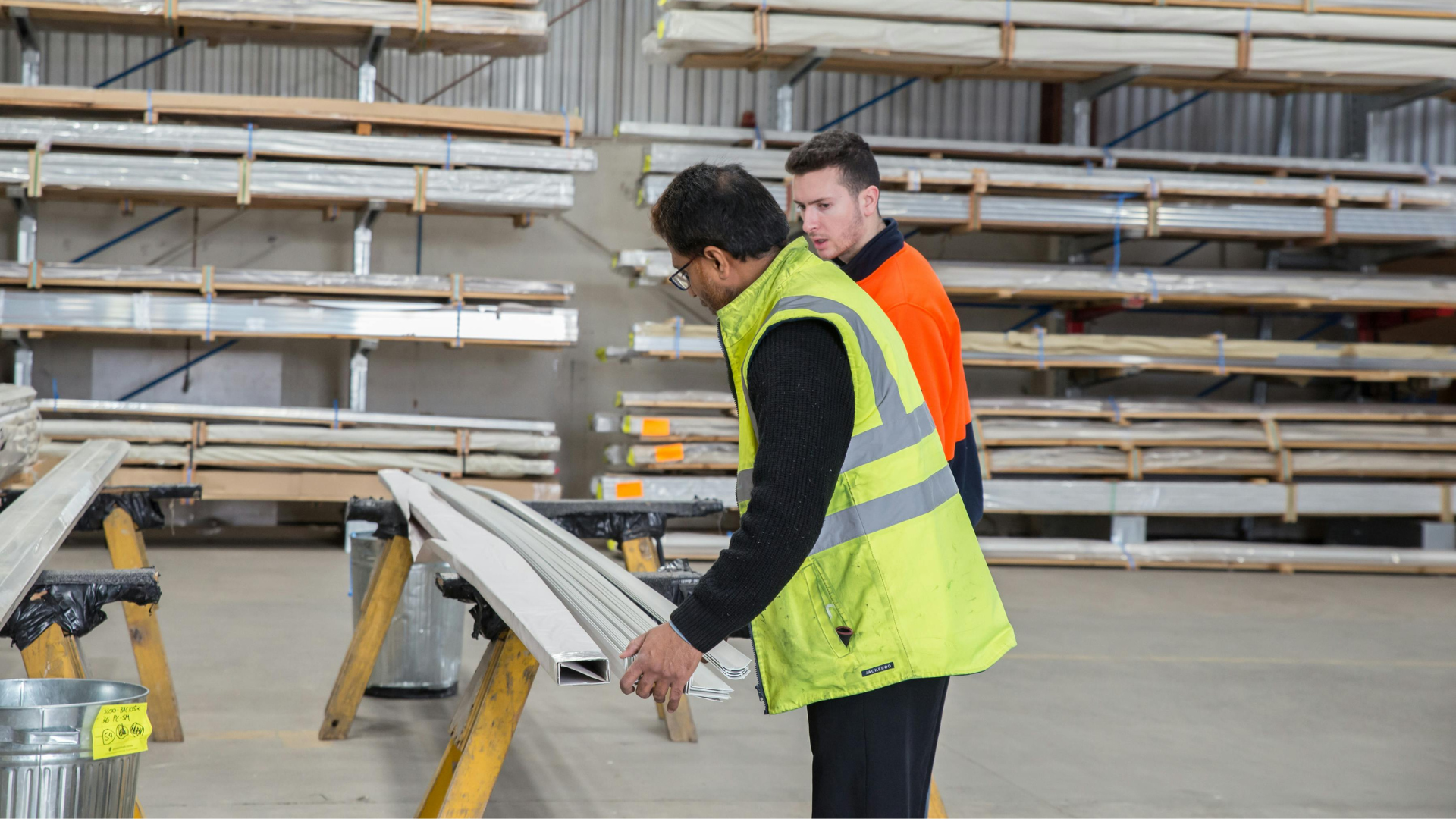
Every warehouse has them. The workers who show up early, know the floor better than anyone, never need to be told twice. They are the ones you count on when things get tight. The ones you mentally factor into every scheduling decision because you know they will deliver.
They are also the ones most likely to walk out the door.
Not the unreliable ones. Not the people who call in every other week. The ones you can least afford to lose.
Here is why that keeps happening and what it is actually costing operations that do not see it coming.
When a job goes unfilled, someone covers it. When a new worker needs shadowing, someone shows them around. When volume spikes and the floor is short, someone picks up the slack.
That someone is almost always your best worker.
It is not a formal policy. It is just how it plays out. Operations managers naturally lean on the people they trust. And the people they trust naturally step up because that is who they are.
But absorbing a gap once is different from absorbing a gap every single week. Over time the person who was once your most energized worker becomes your most overextended one. The same qualities that made them indispensable are the exact qualities being worn down.
Burnout in a warehouse environment does not always look like someone having a breakdown. It looks like a slight drop in pace. A little less conversation on the floor. Someone who used to stay five minutes late now clocks out exactly on time. Someone who used to flag problems now just works around them quietly.
By the time the resignation comes it rarely feels like a surprise in hindsight. The signs were there. They were just easy to explain away as a bad week.
A distribution center in the midwest lost three of its top five pick rate workers in a single quarter. All three had been with the company for over two years. All three had been consistently covering gaps left by turnover in the months before they left. None of them cited burnout directly in their exit conversations. They said they found better opportunities. But the pattern was clear to anyone who looked.
Here is the part that makes this problem expensive in ways that compound.
When a strong worker leaves, the gap they leave behind is larger than whatever their job title suggests. They were not just doing their job. They were doing their job plus parts of everyone else's. The coverage they were providing quietly disappears the day they walk out.
That gap gets absorbed by whoever is left. Which accelerates the burnout of the next most reliable person on the floor. Who then becomes the next departure.
This is not a hypothetical cycle. It is a pattern that plays out in warehouses and fulfillment operations across every market. And it almost always starts with an access problem that was never properly solved.
The instinct when this happens is to look at the workers who left. To wonder what went wrong, whether the pay was off, whether the culture was the issue.
Sometimes those things matter. But in most cases the workers who burned out were not looking to leave. They were pushed out by a structural problem that was invisible until it was too late.
When an operation does not have fast, consistent access to available workers, the floor absorbs the gaps with the people it already has. That is not a management failure. It is what happens when the labor access model underneath the operation is not built to handle variability.
The operations that retain their best workers longest are not necessarily paying more or running better culture programs. They are maintaining consistent job fulfillment so that their core team never has to carry more than they were hired for in the first place.
That means having access to a large pool of available workers on the marketplace before a gap opens, not after it has already landed on the shoulders of the person you can least afford to burn out.
If any of these are true in your operation right now, the cycle may already be in motion.
The same two or three workers are covering gaps every week. Your most tenured people are clocking more hours than anyone else. New workers are joining a floor that is already stretched. Your best people have stopped raising issues and started just quietly managing around them.
None of these are small signals. They are the early signs of a retention problem that will show up as turnover data in the next quarter.
The fix starts before the next gap opens. Not after your best worker has already decided they are done.