.avif)
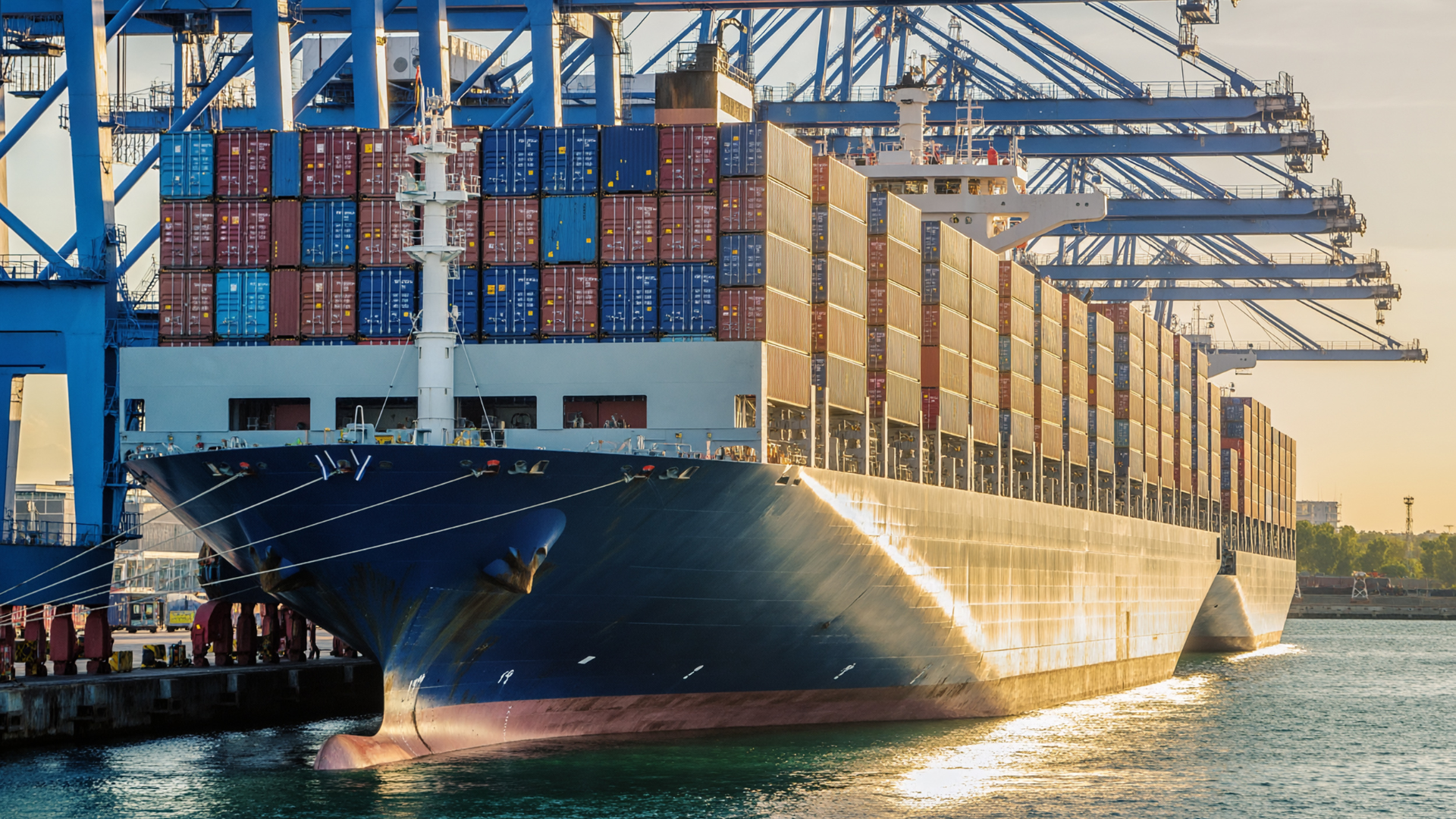
Recent tariff increases have once again reshaped global trade dynamics, prompting companies to rethink their supply chain strategies. For many U.S.-based businesses, nearshoring—relocating operations closer to home—is emerging as a powerful solution. However, while nearshoring mitigates some supply chain risks, it introduces new challenges, particularly in securing a reliable workforce.
Major corporations like Walmart and Nestlé are at the forefront of nearshoring, reducing their reliance on overseas suppliers by shifting operations to the U.S. and neighboring regions. This approach offers several advantages, including reduced shipping costs, faster production cycles, and greater supply chain resilience.
Kuehne + Nagel, a global logistics giant, has also observed increased demand for domestic logistics support. By expanding operations within North America, they help businesses minimize risks associated with geopolitical tensions and unpredictable tariffs.
The automotive sector has been particularly affected by trade policy changes, with a 25% tariff imposed on imported vehicles and parts. As a result, manufacturers are accelerating domestic production efforts to stay competitive. However, establishing and maintaining these operations requires a robust and adaptable workforce—a significant challenge in today’s tight labor market.
To remain agile, automotive companies are increasingly turning to flexible staffing solutions to fill labor gaps, manage production surges, and ensure smooth operations.
Flexible staffing is proving to be a game-changer for businesses navigating the complexities of nearshoring. Here’s how it makes a difference:
Rapid Workforce Scaling
Companies can quickly adapt to fluctuating demand without committing to permanent hires. On-demand labor ensures the right number of workers are available during peak periods.
Cost Management
Flexible staffing reduces operational expenses by providing labor only when it is needed most. Businesses can avoid the fixed costs associated with maintaining a large permanent workforce.
Operational Resilience
Spotwork’s on-demand staffing platform connects businesses with qualified, vetted workers in real time, ensuring continuity and efficiency.
Localized Hiring
With nearshoring efforts emphasizing domestic and regional production, flexible staffing platforms like Spotwork provide access to local talent, reducing transportation emissions and supporting local economies.
Businesses leveraging flexible staffing solutions are seeing significant benefits. For example, warehouses using Spotwork to manage seasonal fluctuations have minimized downtime and improved on-time delivery rates. Similarly, manufacturers facing labor shortages have scaled their operations rapidly using Spotwork’s instant workforce access.
Whether your company is expanding operations, handling seasonal spikes, or navigating labor shortages, Spotwork has the staffing solutions you need. Our platform provides immediate access to a pool of reliable workers, helping businesses maintain productivity and control costs.